
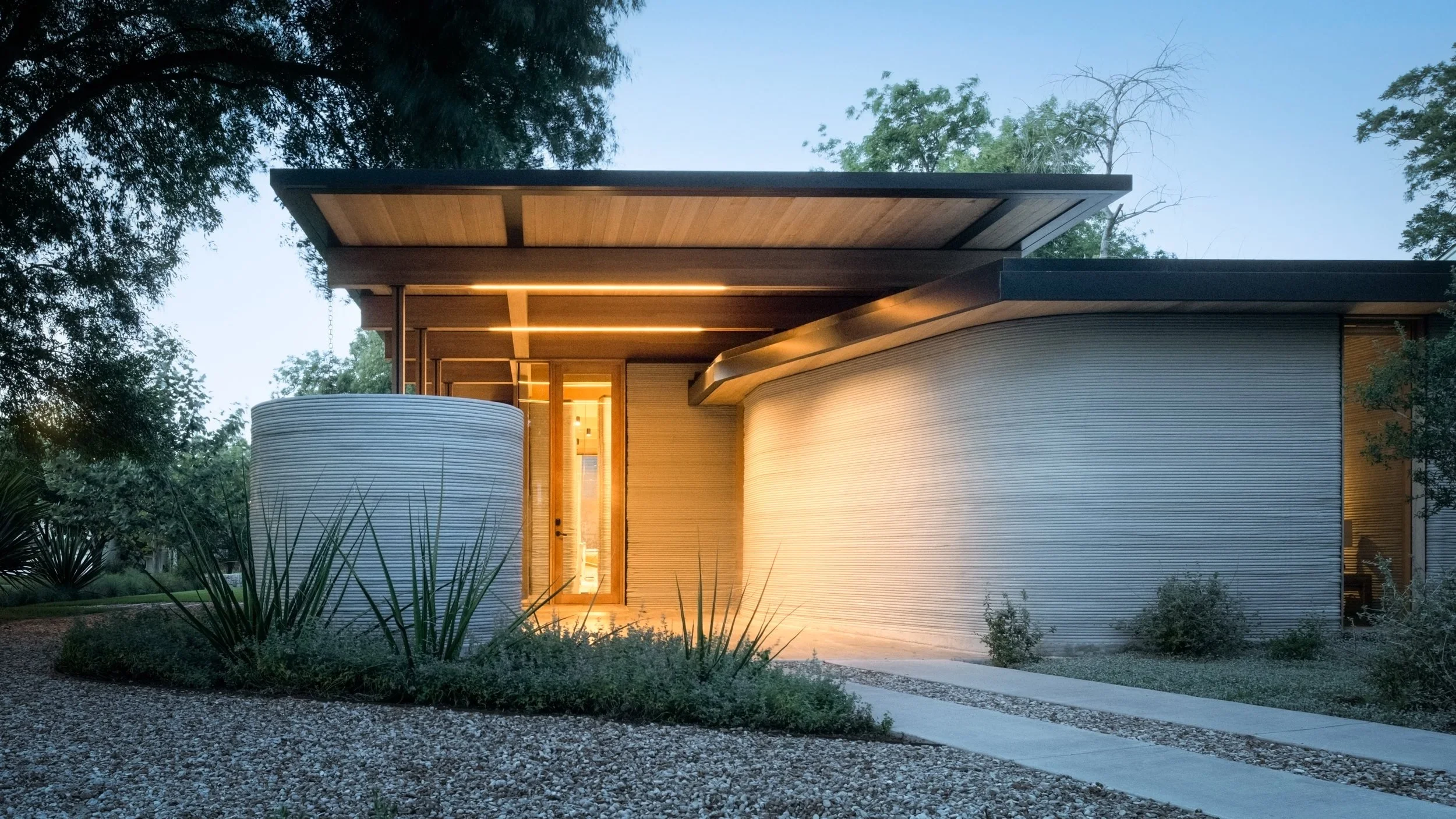
Strong photography is one of the single biggest variables in whether an AIA submission advances. Award juries review hundreds of entries on tight schedules -- often in a single sitting -- and the projects that move forward almost always lead with clear, well-composed, professionally photographed images. Good architecture loses to bad photography routinely. The submissions that win are the ones where the photography lets the jury see the work the way the firm intended.
Why does photography matter so much in AIA submissions?
Because the jury isn't visiting your project. They're seeing photographs of it.
That single fact reshapes the entire calculus. The building you designed, the spaces you proportioned, the materials you specified -- none of that exists in the room with the jury. What exists is a sequence of images, usually viewed at screen size, often in rapid succession alongside dozens of other entries. Whatever the images convey is what the jury knows about the project.
This is different from a client meeting or a site visit, where you can guide attention, explain decisions, and let the building speak for itself in three dimensions. In a submission, the photography is the building. And it's not the photography alone -- it's the photography paired with the captions, the project narrative, and the supporting drawings. But the images set the entire register. They tell the jury what kind of project this is, what kind of firm produced it, and how seriously to evaluate the work.
A jury reviewing a submission can tell within seconds whether the photography is professional or not. That judgment is unconscious and almost immediate. Once it's been made, it shapes how every subsequent piece of the submission is received.
What kind of photography do AIA juries actually respond to?
Clear, composed, and honest images that show the work as it was designed.
The keyword is honest. AIA juries -- particularly at chapter, state, and national levels -- are typically composed of practicing architects who can tell when photography is masking a project rather than documenting it. Over-stylized images, heavy compositing, exaggerated wide angles, or aggressive HDR processing tends to read as a tell. The jury starts looking for what's being hidden rather than what's being shown.
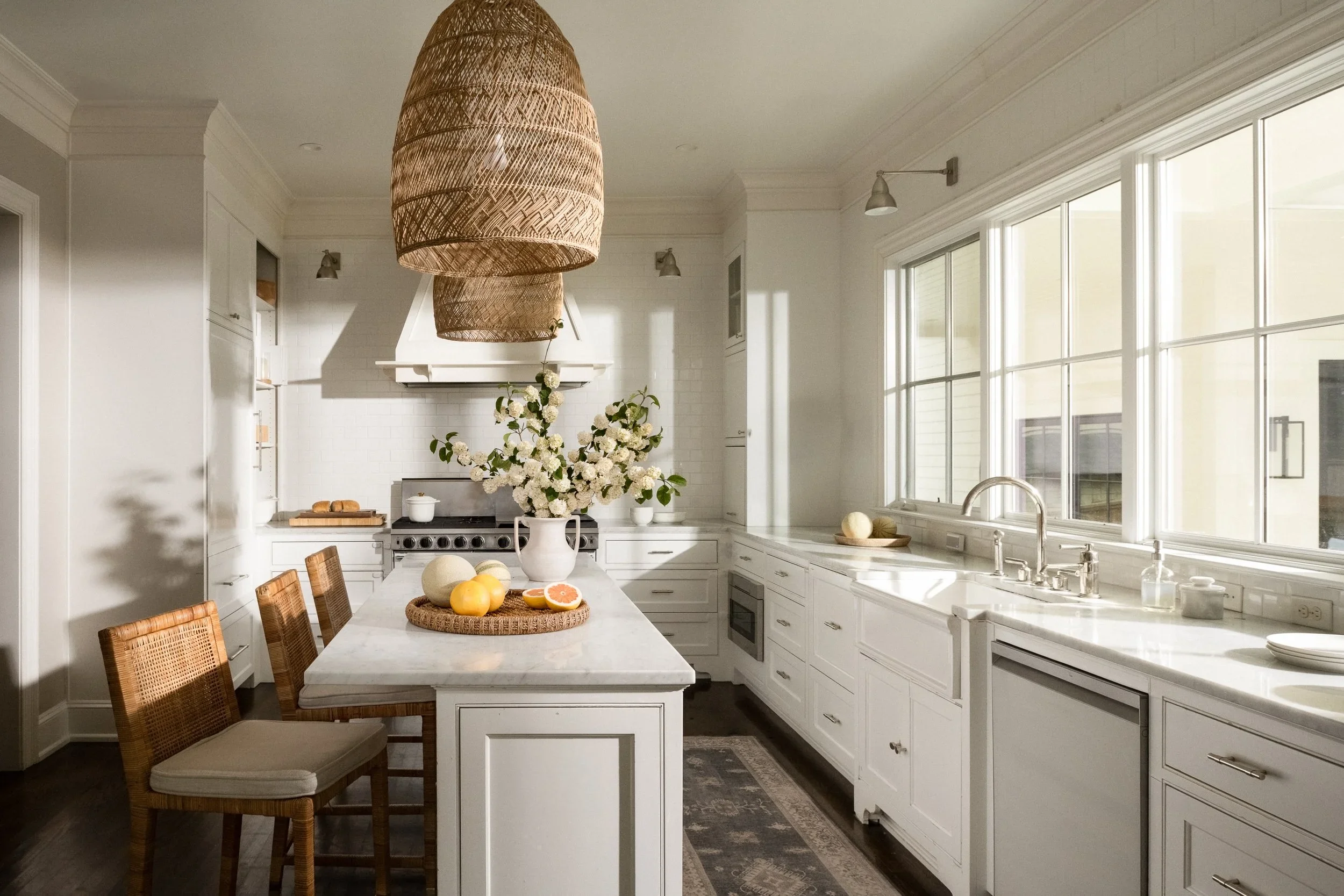
The strongest submissions feel like the photographer was a quiet observer documenting what the architect did. Clean horizontal and vertical lines. Natural light handled carefully. Materials rendered the way they actually look. Spaces shown at proportions that match how they're experienced rather than distorted to look more dramatic.
Beyond technical quality, juries respond to images that explain something specific about the project. A shot that shows how a stair lands in a room and resolves the section. A view that demonstrates the relationship between two materials at a critical detail. An exterior angle that reveals how the building meets its site. Each image should be doing work -- communicating an idea about the project, not just being a beautiful picture.
The submissions that advance tend to have 8-12 images where every single one earns its place. The submissions that don't advance tend to have the same number of images, but only 3-4 are working hard and the rest are filler.
How does a strong photography set change the outcome of a submission?
It shifts what the jury is evaluating.
When the photography is weak, the jury is evaluating the photography -- consciously or not. They're trying to read past the images to understand what the project actually is. That cognitive friction works against the submission no matter how strong the underlying work is. Jurors aren't paid to do detective work. If the images don't make the case, the submission falls into the maybe pile, then out.
When the photography is strong, the jury is evaluating the architecture. The images become invisible -- a transparent window onto the building. Now the conversation is about the project on its own merits: the parti, the resolution, the response to site and program, the craft. That's the conversation you want.
This shift is the entire return on investment for award photography. It's not about making the project look better than it is. It's about removing the friction that prevents the jury from seeing the project clearly.
Firms that win awards consistently know this. They invest in photography because they know it's the variable that determines whether the work is evaluated fairly. Firms that submit year after year without advancing often have excellent projects but photography that's working against them.
What specific images should a submission include?
The composition of an award submission image set depends on the program and project type, but the categories are consistent.
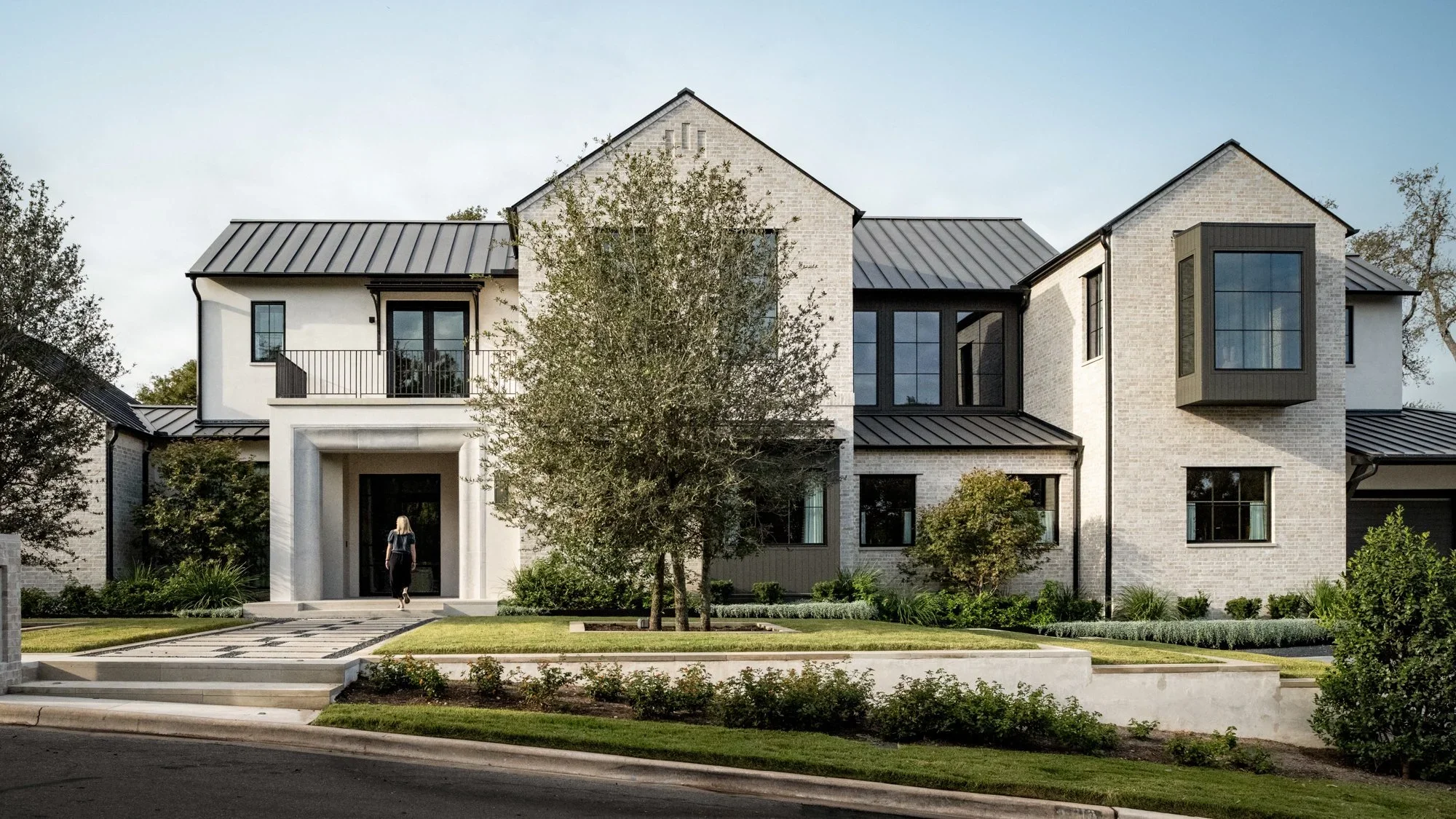
One hero image. Usually exterior, often twilight. This is the lead image that sets the entire tone. It's the image the jury sees first and the one they remember. It needs to be unambiguously strong -- clear about what the project is, beautifully composed, technically clean. If only one image lands, this is the one.
Two to three context shots. These establish where the building sits -- relationship to site, neighborhood, landscape, or urban context. They help the jury understand the project's situation before evaluating its details.
Three to five interior images. These should show the most important spaces in the project, photographed at angles that explain the design intent. Not every room. The spaces that demonstrate what makes the project worth recognizing.
Two to four detail or moment shots. Material transitions, key construction details, light conditions, or specific design moves that warrant close examination. These are the images that reward a jury member who's leaning in.
One or two diagram-supporting images. Photographs that, paired with drawings, help the jury read how the building works. A view down a corridor that reveals the section. An exterior that shows how the mass resolves. These are often more useful than they look.
The total is usually 12-18 images for most categories. Some programs allow more, but more isn't better. Every additional image dilutes the strongest ones.
What should the photography emphasize for different AIA award categories?
The category shapes the priority.
Honor Awards (general design excellence). Lead with the parti and the experience. The images should let the jury understand what's distinctive about the project as a piece of architecture. Hero exterior plus interior sequence is the standard structure.
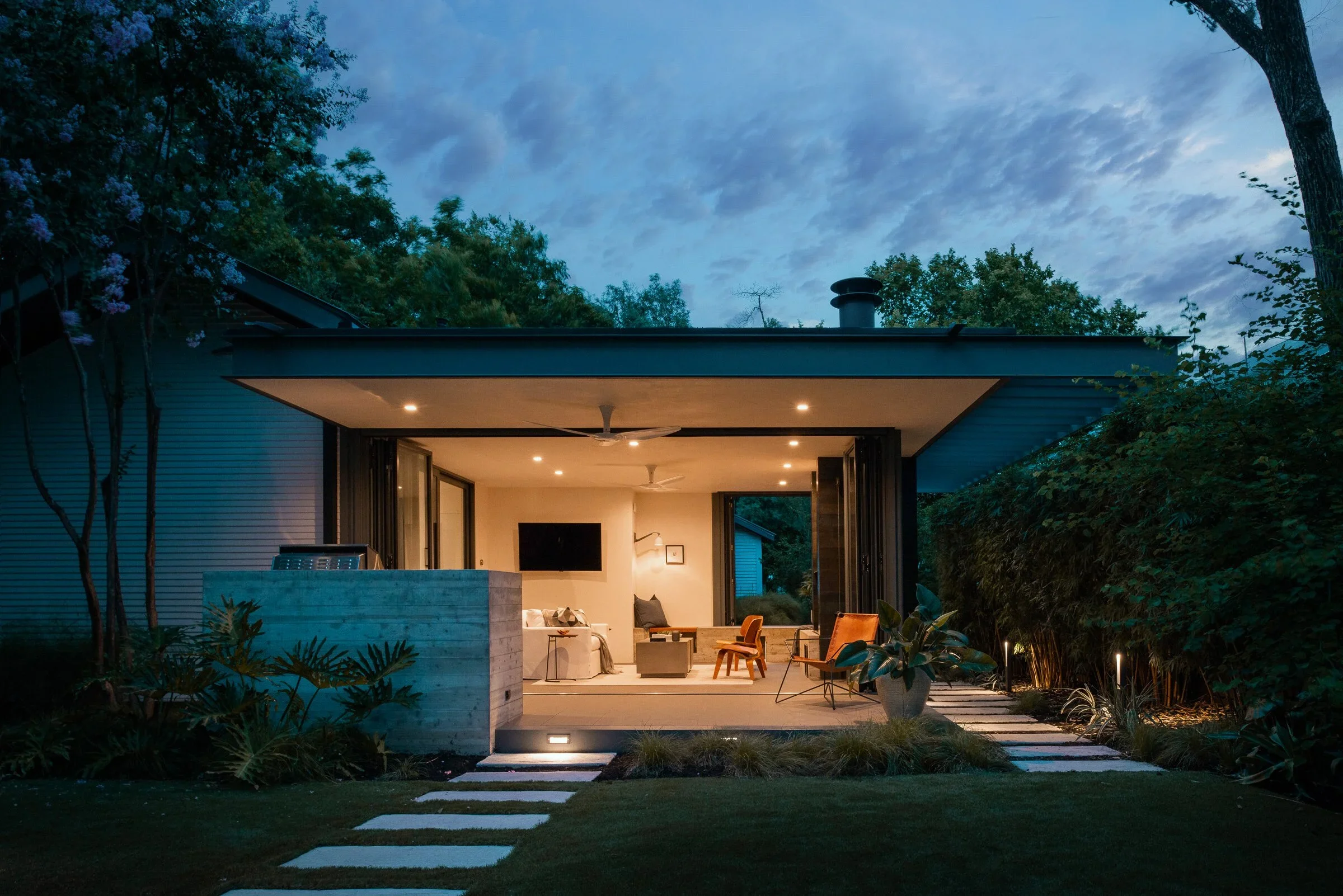
Housing or Residential Awards. Domestic experience matters. Show how the house is lived in, how spaces flow, how the design supports daily life. Twilight images often perform especially well here because they convey occupancy and warmth.
Interior Architecture Awards. Material and detail dominate. The submission should be heavy on close-range interior work with careful attention to how surfaces, light, and proportion come together. Hero shots are often interior here rather than exterior.
Adaptive Reuse or Historic Preservation Awards. Before-and-after comparisons matter, even if the before is documented in lower-quality archival images. The submission needs to make the transformation legible.
Small Project Awards. Restraint and precision are the values. Tight composition, clean light, and an emphasis on how a small project punches above its scale.
Regional Awards (Texas Society of Architects, Austin AIA, etc.). Local context counts more here than at the national level. Showing how the project responds to climate, site, and regional culture often resonates with juries who know the area.
The photographer should be briefed on the category before the shoot if possible. The shot list can shift meaningfully based on what's being submitted to.
When during the project timeline should photography happen for awards?
Earlier than most firms plan for, but not so early that the project isn't ready.
Most AIA programs have submission deadlines in the fall or winter for the following year's awards cycle. That means projects completing in spring or summer have a natural window for photography before the deadline. Projects completing late in the year often miss the cycle or end up rushing the photography in ways that hurt the submission.
The right time to shoot is when the project is genuinely finished -- punch list complete, furnishings in place, landscape established, construction debris cleared. Shooting too early produces images full of unresolved details that hurt rather than help. Shooting too late means submitting with whatever photography happens to be available.
For award-track projects, I recommend planning photography 2-4 months before the earliest expected submission deadline. That gives time for post-production, time to evaluate the image set, and time to schedule a reshoot if anything critical is missing. A reshoot two weeks before deadline is stressful and expensive. A reshoot two months before deadline is just good planning.
If your firm consistently submits to multiple programs with different deadlines, build a photography calendar around your project pipeline. The firms that win awards regularly are usually the firms that treat photography as part of project completion rather than as an afterthought.
How do publication and award photography compare?
They overlap significantly but aren't identical.
Editorial photography for publications like Architectural Digest, Architectural Record, or Dwell tends to favor mood, narrative, and visual storytelling. Magazines need images that work in a magazine context -- wide shots that fill a spread, vertical compositions that match column layouts, moments that convey atmosphere alongside architecture.
Award photography emphasizes clarity, composition, and the legibility of design decisions. Juries don't need atmosphere as much as they need to understand what the project is. A perfect editorial image can sometimes be a weak award image if it prioritizes mood over information.
In practice, a well-planned shoot produces both. The hero twilight image serves the award submission and the magazine feature. The interior sequence supports both. But within the shot list, it's worth identifying which images are doing award-submission work and which are doing publication work, and making sure both categories are well covered.
For firms with both ambitions -- and most luxury residential and design-forward commercial firms have both -- this means budgeting for slightly broader coverage than either purpose alone would require.
What's the most common mistake firms make with award photography?
Submitting with the photography they happen to have rather than the photography the submission needs.
Most firms have a folder of images from various shoots over the years. When an award deadline approaches, the temptation is to assemble a submission from what's already in the folder. Sometimes that works. Often it doesn't, because the existing images weren't shot with this specific submission in mind.
The shot list for an AIA Honor Award is different from the shot list for an Architizer A+ category. The hero image that worked for the firm's website may not be the right hero image for a regional residential award. Captions and project narrative need to be supported by images that demonstrate the points being made.
The firms that win consistently treat each submission as a tailored package. The photography may exist already, but the curation and sometimes supplemental shooting is done with the submission's specific evaluation criteria in mind.
If you're submitting a project for awards, look at the image set with fresh eyes. Ask whether the hero image is doing the work it needs to do. Ask whether the interior sequence explains what's notable about the project. Ask whether anything critical to the architecture is missing or weakly represented. Where the answer is no, that's where a targeted reshoot or supplemental session pays for itself many times over.
Tobin Davies is a luxury architectural and interior photographer based in Austin, Texas. He regularly photographs projects for AIA award submissions, Architizer entries, and editorial features. For shoot inquiries and award-cycle planning, visit tobindavies.com/contact.