
The best architectural shoots are never improvised. Start coordinating with your photographer four to six weeks before the shoot date — sooner for large or complex projects. Build a shot list together, stage the space to read as designed rather than lived-in, and clear the exterior of anything that doesn't belong in the frame. Give your photographer context: the design intent, the key views you care about, and which details were yours. That's what turns a shoot day into something productive instead of expensive triage.
When should I start preparing for an architectural photoshoot?
Four to six weeks out is the minimum. On larger residential projects — anything with multiple buildings, a complex landscape program, or phased construction — I'd push that to eight weeks.
The reason isn't logistics for its own sake. It's that preparation has a sequence. The shot list needs to come before the staging conversation, the staging conversation needs to happen before the walk-through, and the walk-through needs to happen before you schedule the shoot day. Compress that sequence and something falls through. Usually it's the detail you most wanted captured.
There's also a practical reality around construction timelines: things run late. Scheduling a shoot with real buffer means that when the punch list drags into week three, you're not also scrambling to reschedule a photographer who had already locked travel.
If the project involves twilight photography — and for most exterior-heavy shoots, it should — add another variable. Twilight windows run twelve to twenty minutes. You don't get a second chance at that light. That's not something you want to be coordinating the morning of.
Who creates the shot list, and what should it include?
Both of us. That's the honest answer.
You know the project in a way I don't when I arrive. You know which wall detail was the one that took three material revisions to get right. You know that the connection between the kitchen and the courtyard is the move — the thing the whole plan is organized around. That knowledge needs to be in the shot list, not discovered mid-shoot.
What I bring is an understanding of what's actually photographable. Some things that matter enormously in the experience of a space — a ceiling height, the way light moves through a room over the course of a day — are genuinely difficult to convey in a still frame. Some things that seem secondary translate exceptionally well. Part of my job is to align your priorities with what the camera can do.
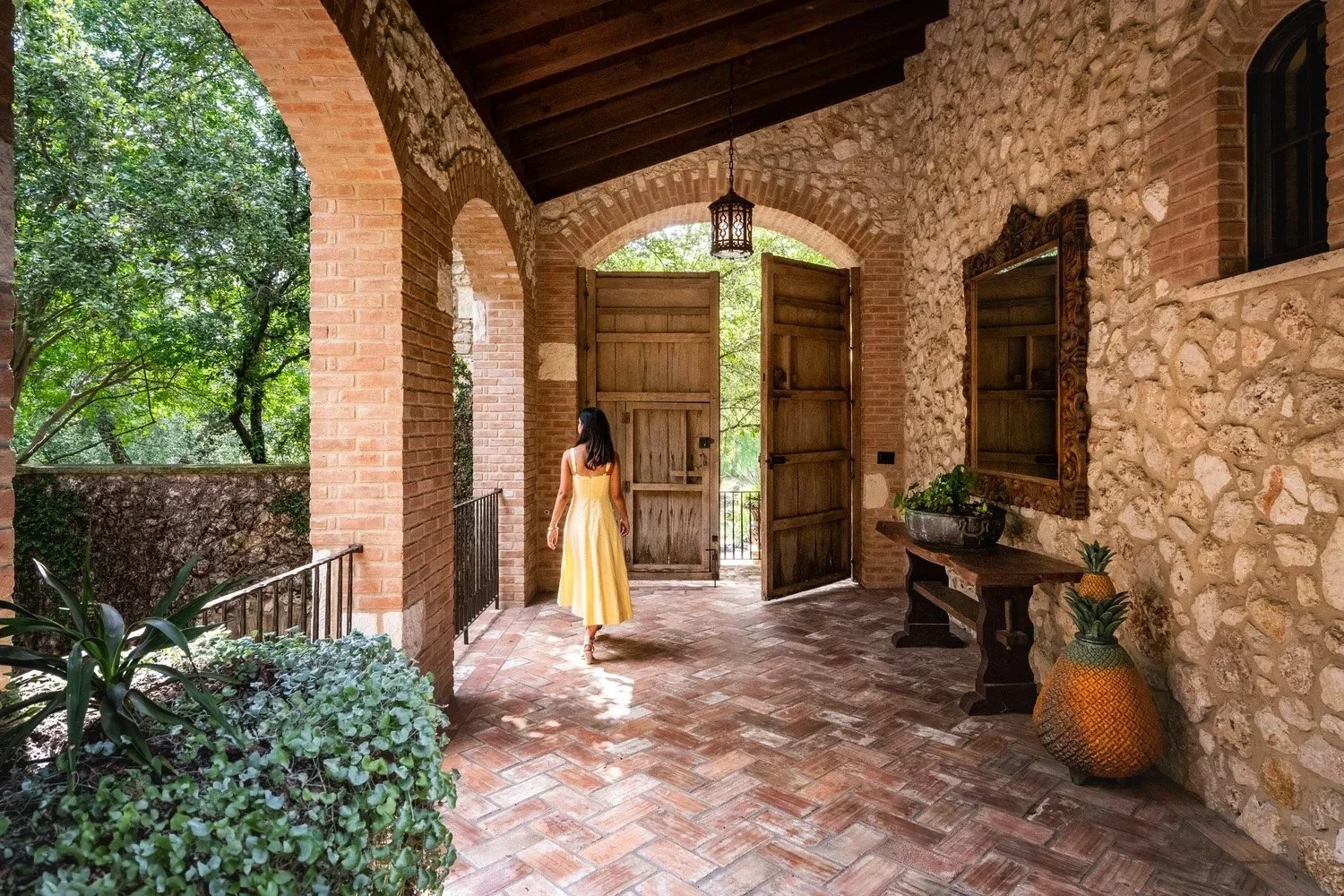
A good shot list has three layers. First, the establishing shots — the images that show the project in its full context, inside and out. Second, the room-by-room or space-by-space sequence, each with a primary angle and one or two alternates. Third, the details: the moments where materiality, craft, or spatial invention is most concentrated. For a well-organized shoot, fifteen to twenty final deliverable images might draw from thirty to forty setups on the shot list.
Send me drawings before we finalize the list. Floor plans and sections help me understand the geometry of the spaces before I walk in. I can anticipate where the light will be at different times of day, flag spaces that might be challenging, and propose a sequencing that works with the sun rather than against it.
What does "ready to photograph" actually mean for interior spaces?
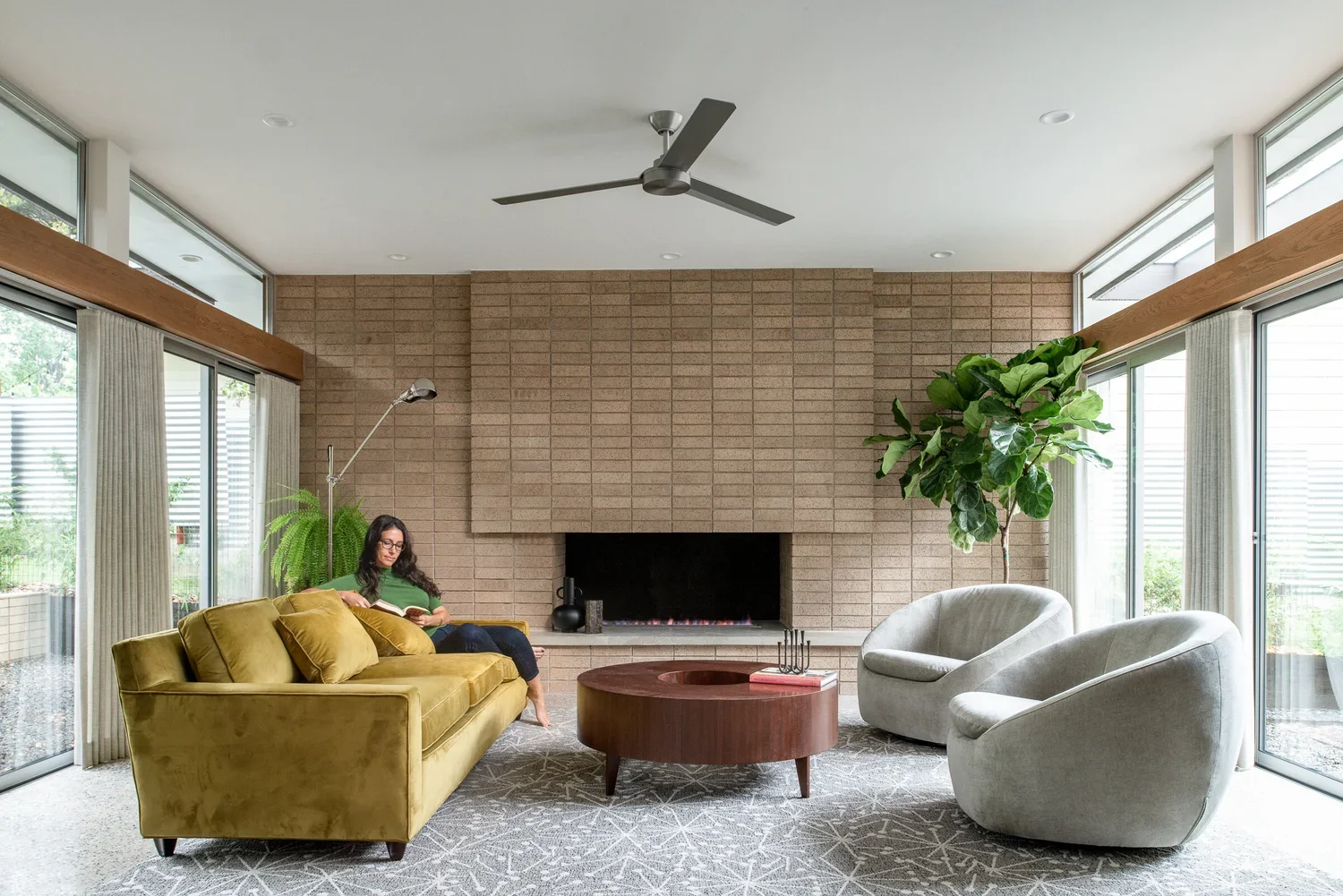
It means the space reads as the architect or designer intended it — not as someone lives in it.
That's a harder standard than it sounds. Even beautifully designed homes accumulate visual noise: phone chargers on countertops, shoes near the door, a jacket on a chair, small appliances that emerged from cabinets and never returned. None of that is anyone's fault. But the camera sees all of it, and removing it in post is expensive and often unconvincing.
The most useful framing I give clients: walk through the space and ask, for every object you see, whether it was placed by the designer or by the life being lived in it. If it's the latter, it probably needs to come out for the shoot.
Furniture placement matters more than most people expect. Pieces that were moved for practical reasons — pulled away from a wall to make a traffic path easier, angled for TV viewing rather than conversation — should go back to their design positions for the shoot. I'll make adjustments during setup, but I can only work with what's there.
For staged or recently completed projects, the work is different. Empty houses photograph poorly — they lack scale and warmth. If the project was designed with a specific furniture program in mind, now is the time to make sure key pieces are present. A curated selection of art, objects, and soft goods does more for a photograph than any amount of post-production.
One more thing: clean the glass. Windows, skylights, shower enclosures. The camera reads every smudge and water spot at full scale.
How do I prepare the exterior of the project for photography?
The exterior is where most last-minute problems land, and it's the category most difficult to fix the day of.
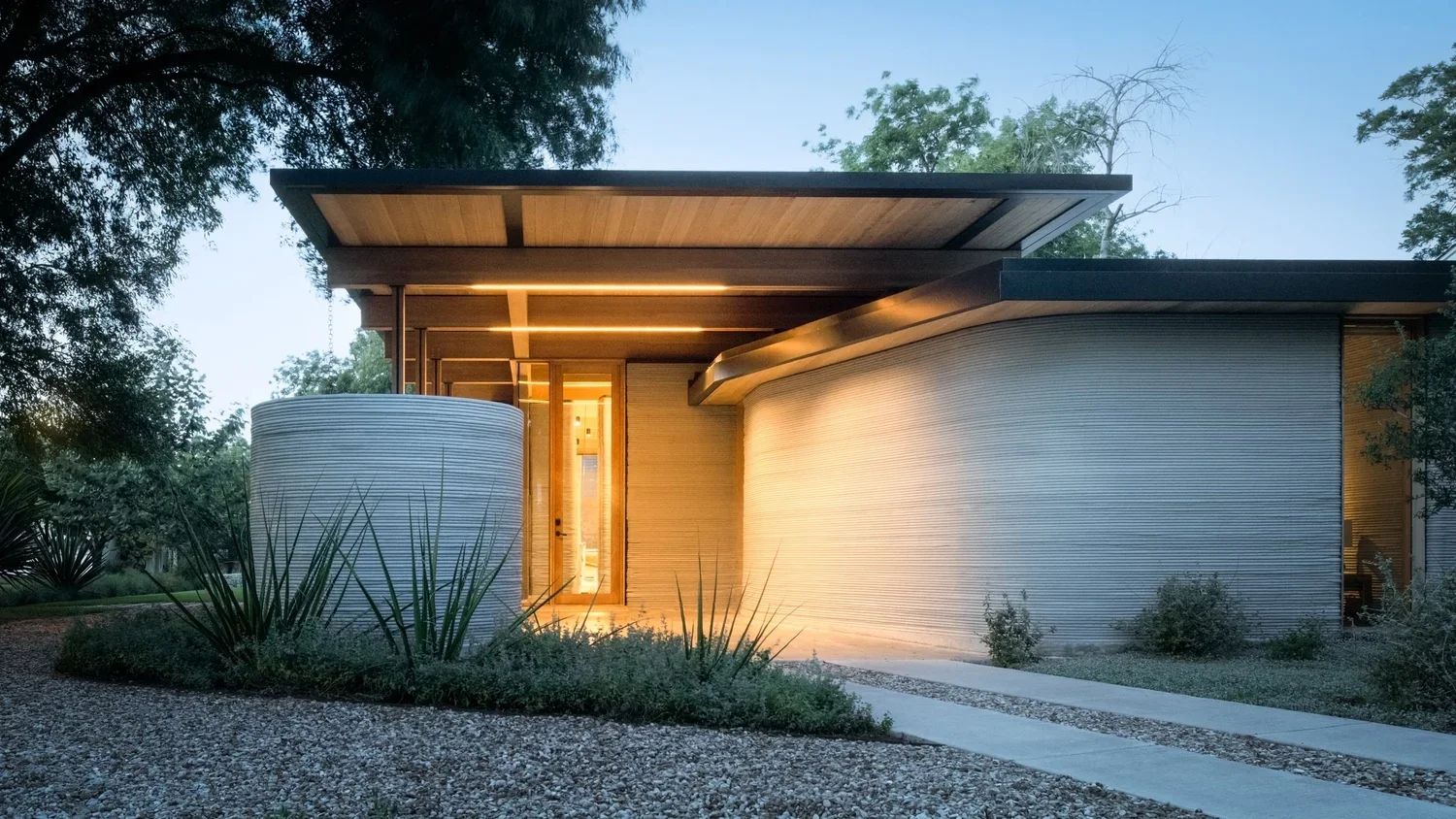
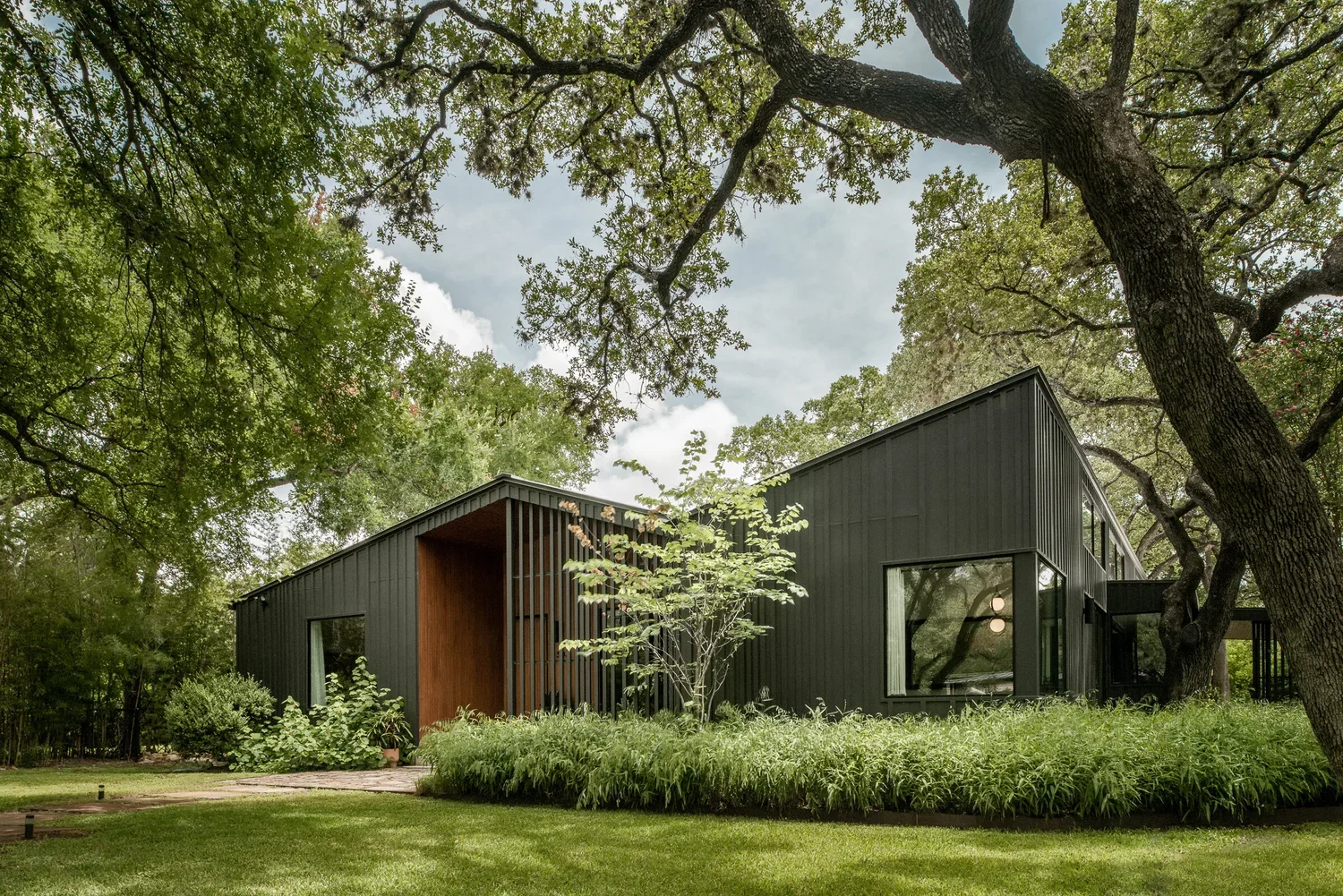
Landscaping should be in its intended condition — not necessarily full maturity, but maintained and intentional. A newly planted lawn that's still patchy reads on camera as incomplete, not just young. If there are trees or shrubs that were meant to be in the frame, they should be in the frame. If the landscaping is still in progress, I need to know that before we schedule, because it affects which views are viable.
Driveways and hardscape should be clear of vehicles, equipment, and construction debris. This seems obvious until you arrive at a shoot and there's a subcontractor's truck parked in the primary composition because someone forgot to coordinate. Give everyone involved — builder, owner, neighbors — a heads-up about the shoot date and what you need.
Speaking of neighbors: if the project has key exterior views that pull neighboring properties into frame, it's worth a conversation. A boat parked next to the fence, a trash can that lives at the curb, a basketball hoop that appears in the background — these are small things that require either neighbor cooperation or significant post-production. The former is faster and cheaper.
Construction signage, builder banners, and permit boxes should be removed or moved out of camera range. I can work around most things, but there's no elegant way to recompose away a six-foot job site sign.
Why does time of day matter, and should we plan for twilight?
Light is the medium. Everything else is subject matter.
The direction, quality, and color temperature of natural light determine what a space looks like in a photograph. A room that's spectacular at ten in the morning can be flat and difficult at two in the afternoon. An exterior that comes alive at golden hour can be harsh and shadowless at noon. Scheduling a shoot without thinking about this is like scheduling a paint consultation without thinking about the wall color.
For most Austin-area projects, I start exterior photography in the early morning or late afternoon — when the sun is low and the light is warm, directional, and doing something interesting. Interior photography gets sequenced around which rooms receive good light at which times. That sequencing is part of what I'm doing when I build out the shoot day schedule.
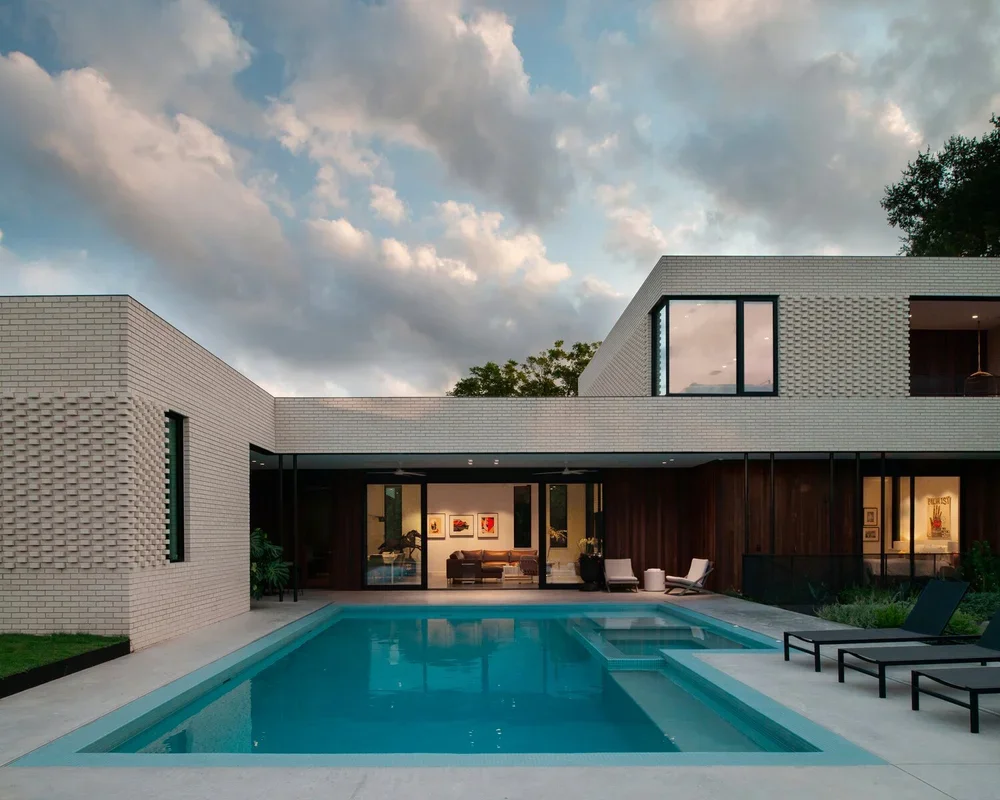
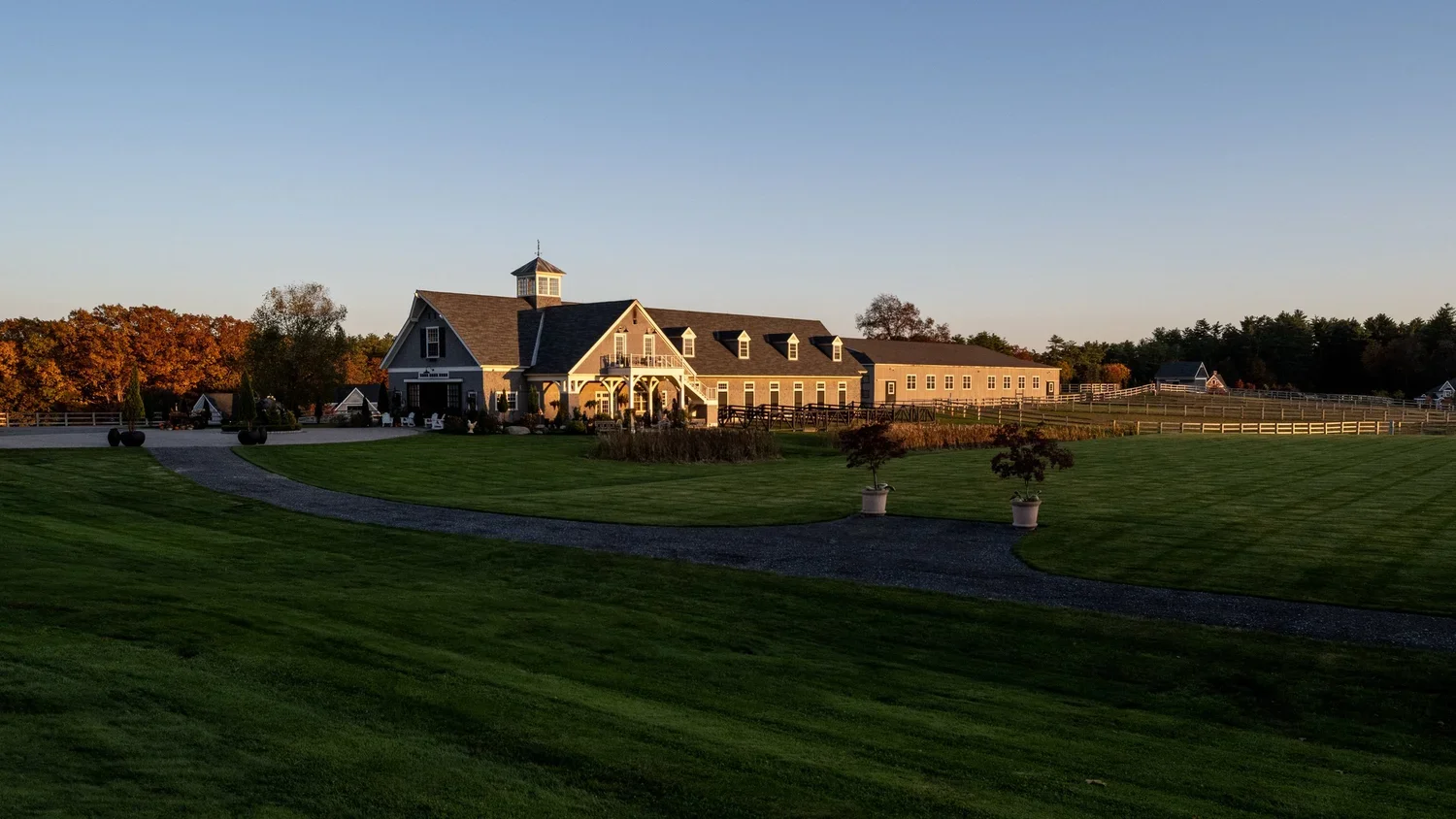
Twilight is worth planning for on almost every project that has exterior architecture worth showing. The window is short — usually twelve to twenty minutes between when the sky has the right ambient exposure and when it goes dark. But the images that come out of that window are often the strongest in the deliverable set. The combination of interior light glowing from within, exterior materials rendered in ambient blue, and a sky that still has color and detail is difficult to replicate at any other time of day.
Weather is a variable I can't fully control, but I plan around it. Overcast days produce excellent soft light for interiors. Partly cloudy days can produce dramatic skies that add to exterior images. Heavy rain delays shoots. I build flexibility into my scheduling for this reason — it's better to have a backup date confirmed in advance than to scramble the morning of.
What should the architect or designer communicate before the shoot?
More than most do.
The single most useful thing you can give me is design intent — not a project description, but a sense of what the project is for. What problem was it solving? What experience were you trying to create? What's the move that makes this project different from the last one? That context shapes everything: which details I look for, how I frame the establishing shots, what story the final image set should tell.
Beyond intent, give me the key views you care about. Every architect has two or three compositions they've been seeing in their head since early schematic design. Tell me what they are. I may have a different read on what's going to be most compelling photographically, and we can have that conversation — but I need to know what you came in hoping to see.
Tell me which elements were designed and which were inherited. In renovation projects especially, this matters. If the windows were original and you worked around them, I should know that. If the flooring was the owner's selection and you'd rather not feature it, tell me. I'm not going to make editorial decisions about what to emphasize without that context.
Finally: if there are drawings, sections, or renderings that show the design intent for a particular space, share them. Arriving with a section drawing of a key room tells me the ceiling geometry, the relationship between levels, and the angles that read best. That's a better briefing than a walkthrough alone.
Can other parties share the cost of an architectural photoshoot?
Often, yes — and it's worth raising early.
On most residential projects, there are multiple parties who benefit from strong photography: the architect, the interior designer, the builder, and sometimes the owner. Each party will use the images for different purposes — portfolio, website, press submissions, Instagram, marketing materials. Each has a reason to want the images to be excellent.
The simplest arrangement is a cost-share where each party contributes to the shoot fee in proportion to how much they'll use the images, and usage rights are licensed accordingly. I'm straightforward about how this works. It doesn't affect how I approach the shoot — it just determines who gets what in the final delivery.
Raise this conversation with your collaborators before you book, not after. Once the shoot is scheduled and the prep work has begun, the window for that conversation tends to close.
What mistakes waste the most time on a shoot day?
A few come up again and again.
Spaces that aren't staged until I arrive. I can't set up a shot while someone is still moving furniture and clearing countertops in the same room. Those two things need to happen in sequence, not simultaneously.
Decisions about what to include made on the day. If you're not sure whether to stage the guest bedroom, make that decision before I arrive. Every unresolved question on shoot day costs time that should be spent behind the camera.
Chasing a light condition we missed. If we were scheduled to get the east-facing living room at nine in the morning and we didn't get there until eleven, that room may not be shootable until the following morning. Planning and sequencing exist to prevent this.
Bringing too many decision-makers. One primary contact on site is ideal. Two is manageable. A group of stakeholders with different opinions about how a space should look is a problem. Those conversations should happen before the shoot, not during it.
Not accounting for the space between spaces. Hallways, transitions, moments of arrival — these are often where the architecture is most concentrated. They fall off shot lists because they're not "rooms," but they're frequently the images architects and designers reach for most.
Preparation doesn't guarantee a perfect shoot. Light changes, something breaks, a space reads differently in person than in drawings. But a well-prepared shoot gives you the flexibility to adapt. An unprepared one means you're spending the day catching up to problems instead of making photographs.
Tobin Davies is a luxury architectural and interior photographer based in Austin, Texas. He works with architects, interior designers, and developers on residential and commercial projects throughout Texas and the wider region. For shoot inquiries and project consultations, visit tobindavies.com.