
Cost-sharing means splitting the investment in architectural photography among the parties who benefit from the images -- the architect, interior designer, builder, owner, and sometimes others. Each party receives a usage license, and the total fee is divided accordingly. It's the most effective way to get high-quality images of a project without any single party absorbing the full cost. I use this structure on roughly half my shoots, and it consistently produces better outcomes for everyone involved.
Why does cost-sharing exist in architectural photography?
Because good architecture is never the work of one person.
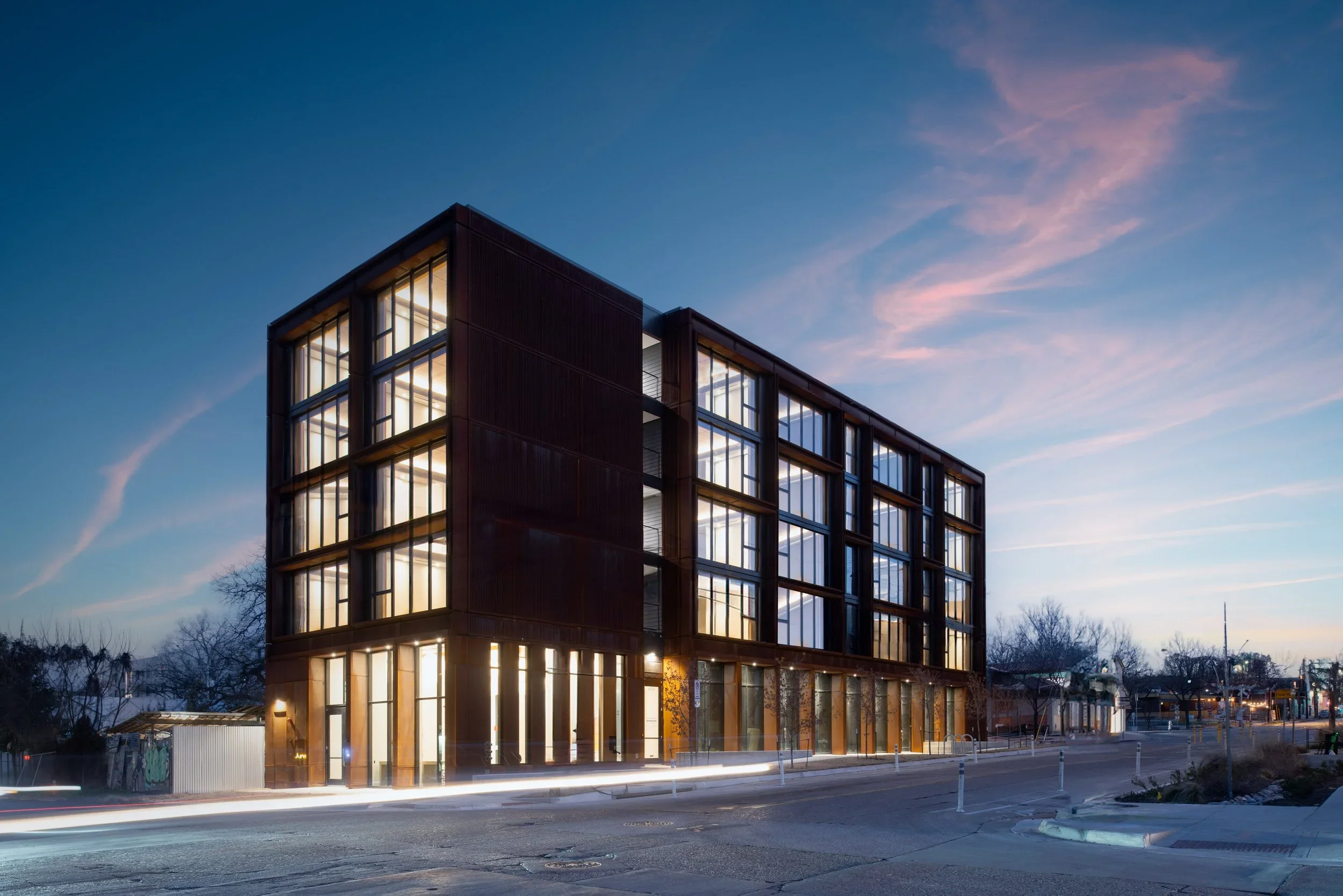
A completed project represents the combined effort of an architect, an interior designer, a builder, a landscape architect, and often a handful of consultants and product manufacturers. Each of those parties has a legitimate interest in documenting the finished work -- for their portfolio, their website, their award submissions, their marketing. And each of them benefits when the images are excellent.
The traditional model -- one party hires the photographer and everyone else either asks permission to use the images or goes without -- creates problems. The hiring party shoulders 100% of the cost. The other parties either use images they didn't commission (and may not be licensed to use), or they don't document the project at all. Neither outcome is good.
Cost-sharing solves this by acknowledging what's already true: multiple parties need these images, and it makes sense to produce them together.
How does the cost-sharing model actually work?
The mechanics are straightforward.
Before the shoot is booked, I work with the primary contact -- usually the architect -- to identify which other parties might want to participate. Common participants include the interior designer, the general contractor, the landscape architect, the homeowner, and occasionally a product manufacturer or structural engineer.
Each participating party receives a usage license for their share of the images. I charge a licensing fee for each additional party, then divide the total shoot fee by the number of participants. The result is that everyone pays less than any single party would have paid alone.
Here's how that plays out in practice. Say a full-day residential shoot is quoted at a certain rate for one party. Add a builder and an interior designer, and the per-party cost drops meaningfully -- often by 30-50% per participant depending on the scope. The shoot itself doesn't change. The quality doesn't change. The number of deliverables doesn't change. What changes is how the investment is distributed.
I handle the licensing and coordination. Each party signs a simple agreement, receives their licensed images, and can use them within the terms of their license. There's no ambiguity about who can use what.
Who typically participates in a cost-share?
The most common configuration is three parties: architect, interior designer, and builder. That's the core team on most residential projects, and each has a clear use case for the images.
Architects use them for portfolio, website, award submissions, and press. Interior designers use them for the same, plus social media and client presentations. Builders use them for marketing, client acquisition, and trade show displays.
Beyond that core, I've seen cost-shares that include:
Landscape architects. Particularly on projects where the site work is significant -- Hill Country homes with extensive hardscape, courtyard houses where the landscape is integral to the plan, or commercial projects with designed outdoor spaces.
Homeowners. Some owners want professional images of their home for personal use, insurance documentation, or because they're proud of what they built. They're often happy to contribute to the cost if they know the option exists.
Product manufacturers. A custom window company, a stone supplier, or a lighting manufacturer may want images showing their product installed in a beautifully designed context. This is less common but can be valuable when the project features a product prominently.
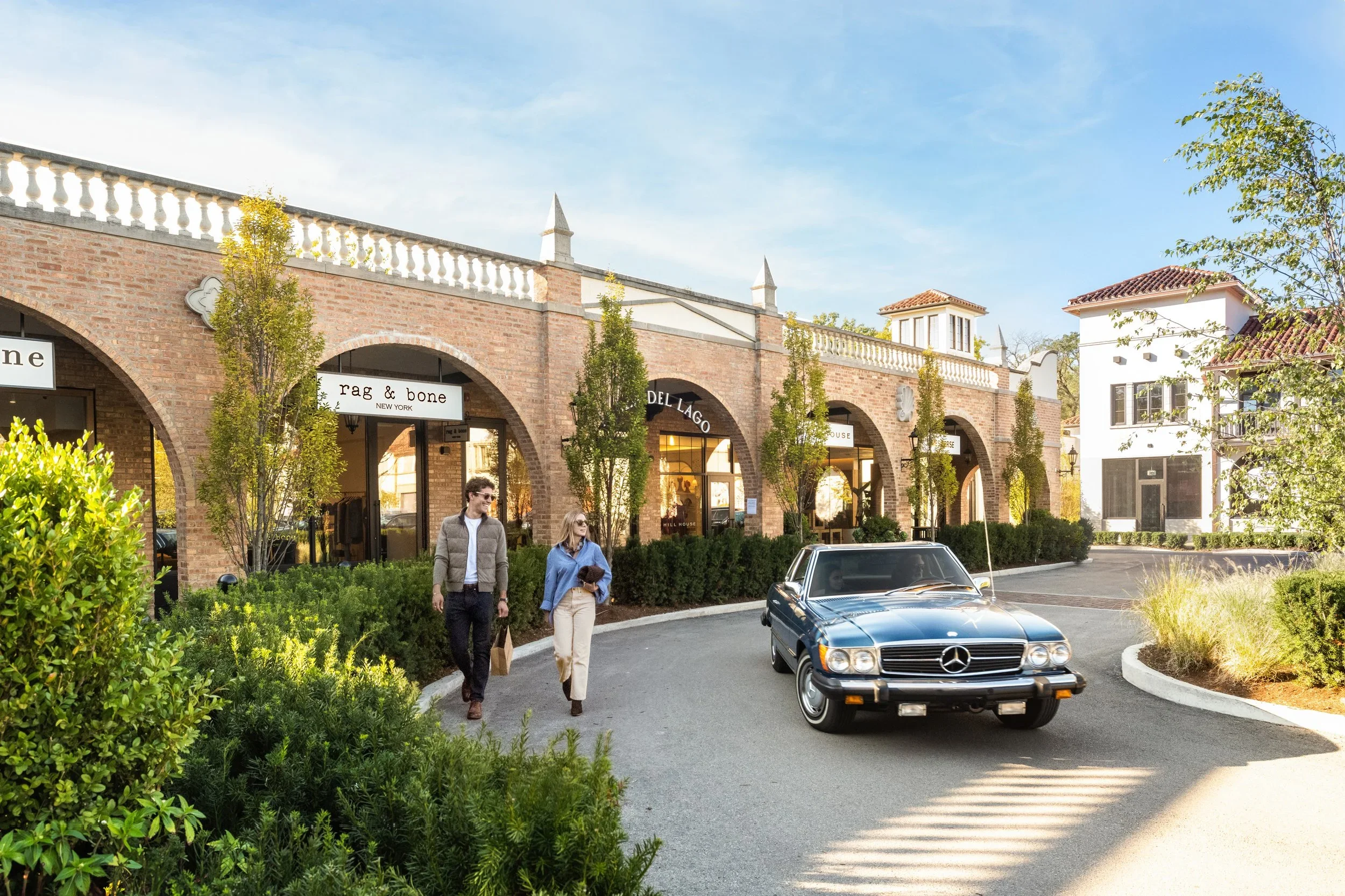
Developers. On commercial and multifamily projects, the developer or ownership group often has marketing needs that differ from the architect's. Including them in the cost-share means one shoot serves both purposes.
The key is raising the conversation early -- before the shoot is booked, not after. Once the photographer is scheduled and prep is underway, the window for coordinating additional parties tends to close.
Does cost-sharing affect the quality of the shoot?
No. This is the most important thing to understand about the model.
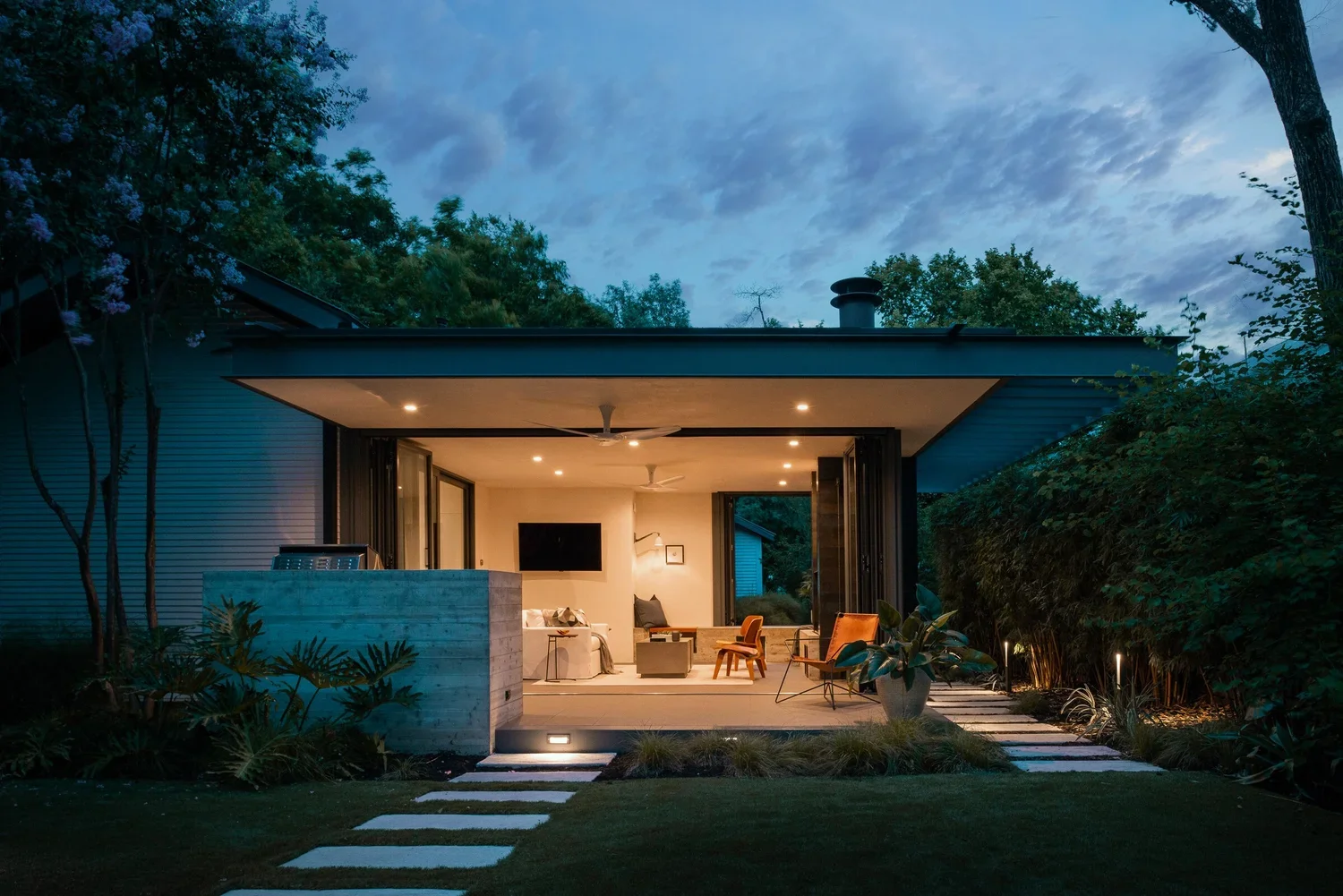
I don't shoot differently because three parties are paying instead of one. I don't add images I wouldn't otherwise take, or dilute the shot list to accommodate competing interests. The shoot is planned around the project -- around the architecture, the light, and the design intent -- the same way it would be regardless of how many parties are involved.
What does happen is that the shot list may be slightly more comprehensive. If the interior designer has specific vignettes they want captured, or if the builder wants images of a detail that demonstrates their craft, those get added to the plan. But they're additions to a shoot that was already well-planned, not diversions from it.
In practice, cost-sharing often produces a stronger image set than a single-party engagement. More perspectives on what matters about the project means more thoughtful planning. And when multiple parties are invested in the outcome, the preparation tends to be better -- spaces are more thoroughly staged, details are more carefully considered, and the shoot day runs more smoothly.
When should I bring up cost-sharing with my collaborators?
As early as possible. Ideally, the conversation happens when you first decide to photograph the project -- not after you've already booked the shoot and received a quote.
Here's why timing matters. If an architect books a shoot and then, two weeks later, asks whether the builder wants in, the builder is being asked to pay for something that's already happening. That's a harder sell than being part of the conversation from the start. When everyone is involved early, the cost-share feels like a shared decision rather than an afterthought.
The simplest approach: when you decide the project is ready to photograph, send a quick message to the other key parties. Something like, "We're planning to photograph the project next month. We're working with Tobin Davies and doing a cost-share to split the investment. Would you like to be included?" Most people say yes. The savings are obvious and the value is clear.
If you're not sure who else might want to participate, ask me. I've done this enough times to know which parties typically benefit and how to frame the conversation.
What about usage rights when multiple parties are involved?
Each participating party receives a license that covers their specific needs. The standard Professional Usage License I include with every shoot covers website, portfolio, social media (with photo credit), award submissions, presentations, trade show displays, and corporate collateral for a defined term.
The licenses are independent. The architect's usage rights don't depend on the builder's, and vice versa. If the interior designer wants to use an image on their Instagram, they don't need to ask the architect for permission -- they have their own license.
What the license does not include is transferring images to parties who didn't participate in the cost-share. If a subcontractor or product rep wants to use the images and they weren't part of the original agreement, they can obtain a separate license from me. This protects everyone's investment and ensures that usage is tracked and authorized.
I keep this simple by documenting everything upfront. Each party knows exactly what they're getting, what they can do with it, and for how long. There are no surprises after delivery.
Is cost-sharing worth it if I can afford the full shoot myself?
Usually, yes -- and not just because of the savings.
The financial argument is obvious: paying a third of the cost instead of the full amount is better for your budget. But the less obvious benefit is what happens to the images after delivery.
When three parties have licensed, professional images of a project, those images appear on three websites, three Instagram accounts, three award submissions, and three portfolios. The project gets three times the exposure. Your architecture is being represented by consistent, high-quality images everywhere it appears -- not by a mix of professional shots from your photographer and phone photos from your builder's site visit.
That consistency matters. When a potential client searches for your firm and sees the same polished images on ArchDaily, on the builder's website, and on the interior designer's Instagram, the project reads as credible and complete. When the images are inconsistent -- professional in one place, amateur in another -- the impression is fragmented.
Cost-sharing also strengthens your professional relationships. Inviting your builder or interior designer to participate signals that you see the project as a collaboration and that you value their contribution. That goodwill has a longer shelf life than the savings.
How do I get started with a cost-share on my next project?
Reach out to me when the project is nearing completion and you're starting to think about photography. Mention which other parties were involved and I'll help you frame the cost-share conversation.
I'll prepare a proposal that outlines the shoot scope, the per-party cost at different participation levels, and the licensing terms for each participant. You share it with your collaborators, and we finalize the group. From there, the process is the same as any other shoot -- shot list, prep, shoot day, delivery -- with the added benefit that everyone is invested in the outcome.
The best cost-shares I've been part of happened because one person -- usually the architect -- took five minutes to send an email to their project team. That small act of coordination saved everyone money and produced images that served the entire team for years.
Tobin Davies is a luxury architectural and interior photographer based in Austin, Texas. He works with architects, interior designers, builders, and developers on residential and commercial projects throughout Texas and nationally. For shoot inquiries and cost-sharing proposals, visit tobindavies.com/contact.